🥘 The Taste of Oromia
Oromo cuisine is a reflection of the land's abundance and the people's deep connection to nature. From the highlands of Arsi to the coffee forests of Jimma, each region offers unique flavors, ingredients, and cooking traditions passed down through generations. Explore the diverse culinary heritage of the Oromo people.
 ⭐ Staple
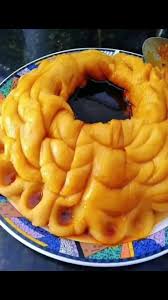
Marqaa Oromo Porridge
A traditional Oromo porridge made from barley, wheat, or maize flour. It's a breakfast staple and also served during special occasions. Marqaa is nutritious, filling, and often eaten with butter or milk.
 ⭐ Staple
 ⭐ Traditional
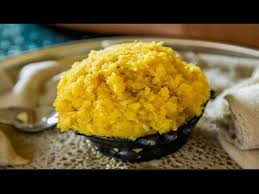
Ancootee Wild Tuber Dish
A traditional dish made from wild tubers, particularly popular in Wollega and Illubabor. The tubers are boiled, mashed, and often mixed with butter and spices. It's a connection to ancient Oromo food traditions.
 ⭐ Ceremonial
 ⭐ UNESCO
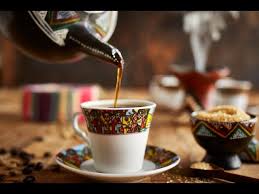
Buna Oromo Coffee Ceremony
The Oromo coffee ceremony is a sacred tradition. Coffee originated from the Kaffa region, and the Oromo people have cultivated and celebrated it for centuries. The ceremony involves roasting, grinding, brewing, and serving coffee with great ritual.
☕ The Oromo Coffee Ceremony
The coffee ceremony is the heart of Oromo hospitality. It's a ritual that brings families and communities together, often lasting several hours. The ceremony includes roasting green coffee beans, grinding them with a mortar and pestle, brewing in a clay pot (jebena), and serving in small cups (cini).
Did you know? Coffee (Buna) originated from the Kaffa region in Oromia. The name "coffee" comes from "Kaffa."
Roasting
Green coffee beans are washed and roasted over an open flame, filling the room with aromatic smoke.
Grinding
The roasted beans are ground using a wooden mortar and pestle (mukecha).
Brewing
The ground coffee is brewed in a clay pot (jebena) with water and sometimes spices.
Serving
Coffee is served in three rounds: "Abol" (first), "Tona" (second), "Baraka" (third - blessing).
Regional Specialties
Jimma
Famous for premium coffee and spiced dishes
Arsi
Known for wheat, barley, and hearty porridges
Borana
Milk, butter, and beef-based dishes
Bale
Wild herbs, tubers, and mountain specialties
Wollega
Honey, wild foods, and traditional breads
Hararghe
Maize, sorghum, and chat-influenced cuisine
👩🍳 Oromo Cooking Tips
Traditional Cooking
Many Oromo dishes are cooked over an open fire using clay pots for authentic flavor.
Spice Grinding
Freshly grinding spices using a mortar and pestle enhances flavor.
Meat Preparation
Meat is often cooked with butter and spices for richness.
Community Eating
Meals are often shared from a communal plate, symbolizing unity.
🎉 Festival & Ceremony Foods
Irreecha Foods
During Irreecha (thanksgiving festival), Oromos prepare special foods including fresh butter, milk, porridge, and traditional bread to give thanks to Waaqa (God).
Wedding Feast
Traditional Oromo weddings feature elaborate feasts with meat stews, bread, butter, honey wine, and dadhi (traditional beer).